



Energy
The Evolution of Data Management in Oil and Gas
The oil and gas industry is undergoing a digital transformation, moving from traditional methods of data collection and management to more advanced, real-time solutions.
The oil and gas industry is undergoing a digital transformation, moving from traditional methods of data collection and management to more advanced, real-time solutions.

This episode of the Bitcoin Frontier podcast delves into the misconception that increased energy consumption due to population growth or technological advancements will lead to the depletion of resources or environmental catastrophe.

In this emergency podcast episode of TFTC, Marty Bent and Jason Brett discuss a sudden and concerning move by the Energy Information Administration (EIA) under the Department of Energy, which has issued a survey requesting detailed information from the bitcoin mining industry.

The oil and gas industry has experienced a technological evolution in recent years, with industry professionals like Jeff Hughes leading the charge. With a background that covers accounting, technology, and energy, Hughes exemplifies the non-linear career paths found in the tech and energy sectors.

The pause in LNG export projects raises questions about the United States' strategic positioning in the global LNG market.

Former Energy Secretary Rick Perry critiques the current U.S. administration's energy policy pause on CNBC, predicting negative economic impact, job losses, and political fallout in key states.

Texas experienced a significant winter storm named Heather, which tested the state's electric grid's resilience. The Electric Reliability Council of Texas (ERCOT) managed the situation, and there was much discourse regarding the performance of renewable energy sources during the event.

This fireside chat held at Pubkey in New York City presented a deeply engaging conversation on how Bitcoin is not only a financial asset but also a tool for promoting human rights and freedom.

The oil and gas industry is undergoing a digital transformation, moving from traditional methods of data collection and management to more advanced, real-time solutions.

This episode of the Bitcoin Frontier podcast delves into the misconception that increased energy consumption due to population growth or technological advancements will lead to the depletion of resources or environmental catastrophe.
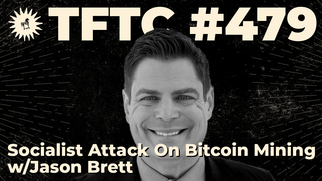
In this emergency podcast episode of TFTC, Marty Bent and Jason Brett discuss a sudden and concerning move by the Energy Information Administration (EIA) under the Department of Energy, which has issued a survey requesting detailed information from the bitcoin mining industry.

The oil and gas industry has experienced a technological evolution in recent years, with industry professionals like Jeff Hughes leading the charge. With a background that covers accounting, technology, and energy, Hughes exemplifies the non-linear career paths found in the tech and energy sectors.

The pause in LNG export projects raises questions about the United States' strategic positioning in the global LNG market.

Former Energy Secretary Rick Perry critiques the current U.S. administration's energy policy pause on CNBC, predicting negative economic impact, job losses, and political fallout in key states.

Texas experienced a significant winter storm named Heather, which tested the state's electric grid's resilience. The Electric Reliability Council of Texas (ERCOT) managed the situation, and there was much discourse regarding the performance of renewable energy sources during the event.

This fireside chat held at Pubkey in New York City presented a deeply engaging conversation on how Bitcoin is not only a financial asset but also a tool for promoting human rights and freedom.

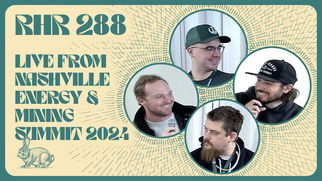
This episode of Rabbit Hole Recap provided a rich tapestry of insights into the current state and future trajectory of bitcoin mining and protocol development.

Recent trends in U.S. oil production have surprised many, with significant growth despite expectations to the contrary. The concept of "inventory runway" has been central to these discussions, referring to the duration for which producers can maintain or increase output levels.
Macro Voices, a financial podcast, aired a special long-form episode featuring bestselling author Lyn Alden. The episode delved into the topic of "broken energy" and the significant risks posed by current energy systems to society.

Steve Eisman shares his insights on market fundamentals versus investor sentiment, the banking sector's investability, the impact of generative AI on the stock market, and the looming concerns of US debt.

The implications of carbon dioxide (CO2) in climate change have long been a subject of intense debate.
