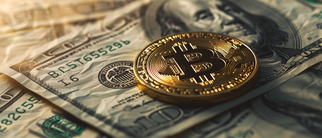
Mt. Gox has announced it will commence the distribution of assets stolen during a 2014 hack to its victims starting in July 2024, marking a significant step towards resolving one of the most infamous hacks in bitcoin's history.

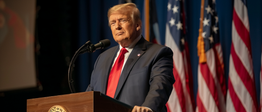
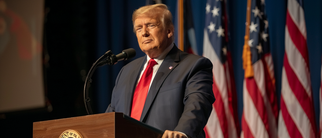
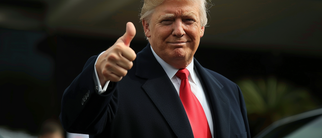
Tyler and Cameron Winklevoss have donated over $2 million in Bitcoin to former President Donald Trump's campaign, criticizing the Biden Administration's cryptocurrency regulations.

Kraken faced a $3 million security breach and extortion attempt after individuals exploited a vulnerability and demanded a bounty before returning the stolen funds.

Kansas has filed a lawsuit against Pfizer, alleging that the company made misleading statements about its COVID-19 vaccine, concealing potential risks and exaggerating its effectiveness.

David Hirsch has stepped down as chief of the SEC's crypto asset and cyber unit, ending his nearly nine-year tenure.

The Federal Inland Revenue Service of Nigeria has dropped tax charges against Binance executives Tigran Gambaryan and Nadeem Anjarwalla.

In a seismic shift, the populist right made significant gains in the European Parliament elections, capturing 30 seats and highlighting a growing disenchantment with the EU's status quo.

Congressman Thomas Massie has reintroduced the "Federal Reserve Board Abolition Act," inspired by Saifedean Ammous's book "The Bitcoin Standard."

U.S. Commodity Futures Trading Commission (CFTC) Commissioner Christy Goldsmith Romero is expected to be nominated as the next FDIC Chair.

Terraform Labs and its former CEO Do Kwon have agreed to a $4.47 billion settlement with the SEC over charges related to the collapse of the Terra USD stablecoin.

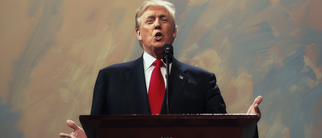
Former President Donald Trump has expressed strong interest in U.S. Bitcoin mining, emphasizing its strategic importance in the face of potential Central Bank Digital Currencies (CBDCs).

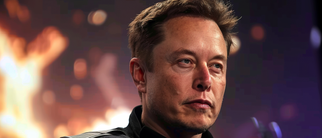
Elon Musk has threatened to ban Apple devices from his companies if Apple integrates OpenAI technology at the operating system level, citing privacy concerns.

A Senate spending package includes a provision that could impose sanctions on Bitcoin businesses by targeting "ties to terrorism" and mandating stricter user identity verification.

At a San Francisco fundraiser, former President Donald Trump boldly positions himself as the "crypto president."